 Droicer DLS 25
Guide
Tactics and Formations in Droicer DLS 25
A formation is a promise about how your team will play. How to choose one, how to adapt it, and when to change it.
By Marco Antonio Reyes, Mobile Games Reviewer
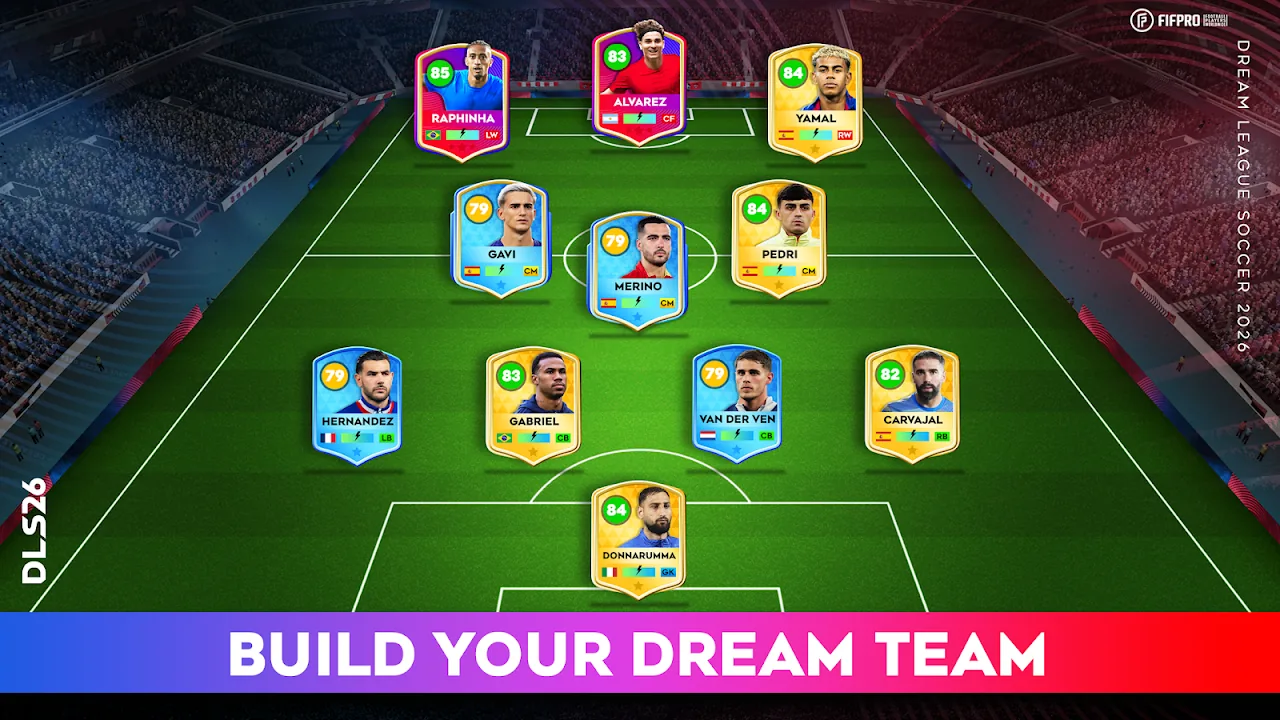
Tactics are the manager fingerprints on a team. Two clubs with the same players play entirely different football depending on the formation, and Droicer DLS 25 gives managers the freedom to shape a team around an idea.
Choose a formation that fits the players, not the fashion. A squad full of wingers suits a wide formation, a squad full of central midfielders suits a narrow one, and forcing players into roles they cannot play wastes their talent. The players pick the system, not the other way round.
Learn one formation deeply before experimenting. A team that knows its shape defends as a unit and attacks with patterns, while a team that changes shape every week never learns any of them. Depth of understanding beats variety.
Adapt within matches, not between them. Small changes, such as pushing a full back higher when chasing a game, or dropping a midfielder deeper when protecting a lead, are more effective than wholesale changes made in panic. building a squad in DLS 25 covers the players the system needs, and defending in DLS 25 covers the defensive side of any shape.
The best tactic is the one the team understands. Simplicity, repeated until it is instinct, beats complexity every time.
Frequently Asked Questions
Tactics-board answers to the questions players ask before installing the restored build.
Which formation is best in DLS 25?
The one that fits your players. A formation suits a squad when the players in it can play the roles it asks for.
Should I change formation often?
No. Learn one shape deeply first. Teams that change shape weekly never learn any of them properly.
How do I adapt tactics during a match?
With small changes: push players higher when chasing, drop deeper when protecting a lead. Wholesale panic changes rarely help.